
Your shopping cart is empty!
Hardwood Selection for Native American Style Flutes
Wood for Making Native American Style Flutes
The Living Source of the Instrument
Wood is an important subject. There are many things to understand about the woods used to make a Native American style flute.
Any piece of wood we use to craft a Love flute comes from a tree that was at least one hundred years old. Most hardwood comes from trees that were far older, sometimes hundreds of years old. Every tree is itself a manifestation of sustained growth shaped over generations. The board we hold in our hands represents a long history of natural development stretching back long before the modern age.
To work with such material is an honor. When crafted into a Love flute, good hard properly treated wood can create an instrument that lasts for hundreds of years.
To explore the history of the Native American style flute, visit our History article.
Respect for the Forest
The great forests that once covered vast areas of our planet are disappearing. Many may never return to their former state. While Grayson and I may feel sorrow, we also recognize that we cannot fully understand the larger design of creation.
Each remaining piece of wood that comes into our hands is treated with respect. When shaped into a quality handcrafted Native American style flute, the spirit and presence of that tree continues to live on long after the forest itself has changed.
We Waste No Wood
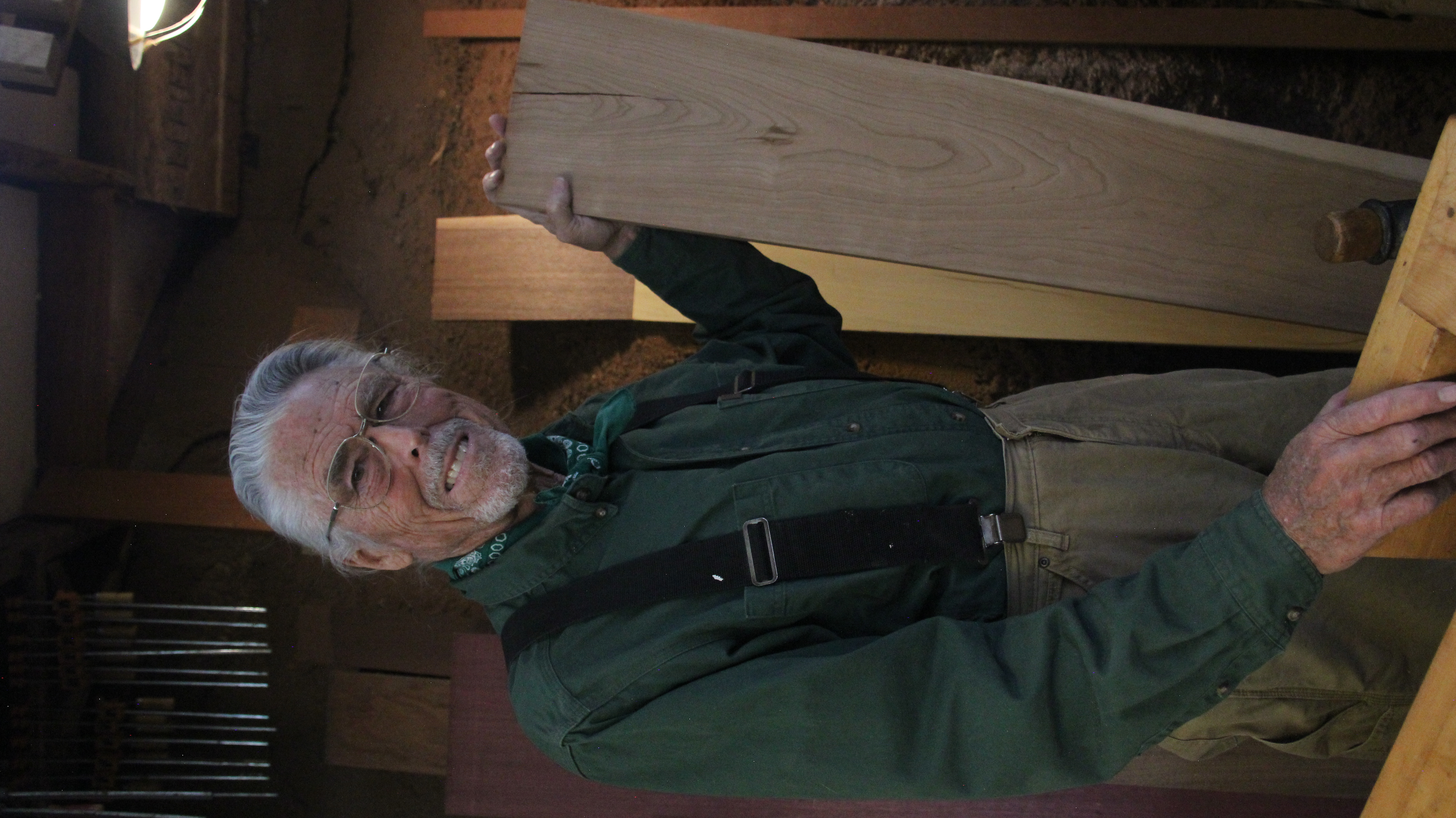 Wood that does not become part of a Love flute or related object is burned as kindling to warm our shop in winter. We waste nothing.
We will often use wood with small natural irregularities as long as they do not negatively affect the tone of the flute. In fact, I sometimes seek out such wood because it can possess excellent tonal character. These natural irregularities are properly called character flaws. They are not blemishes. They are expressions of the uniqueness of the tree.
A character flaw can impart singular beauty to a wooden Love flute. It reflects the reality that never before has there been such an instrument, and never again will the exact same flute be made.
Selecting Boards With Care
If space allowed, we would gather far more wood than what could be used in a lifetime. There is great allure in a remarkable combination of grain pattern and color. But our shop is small. Often we leave behind boards that we know we'll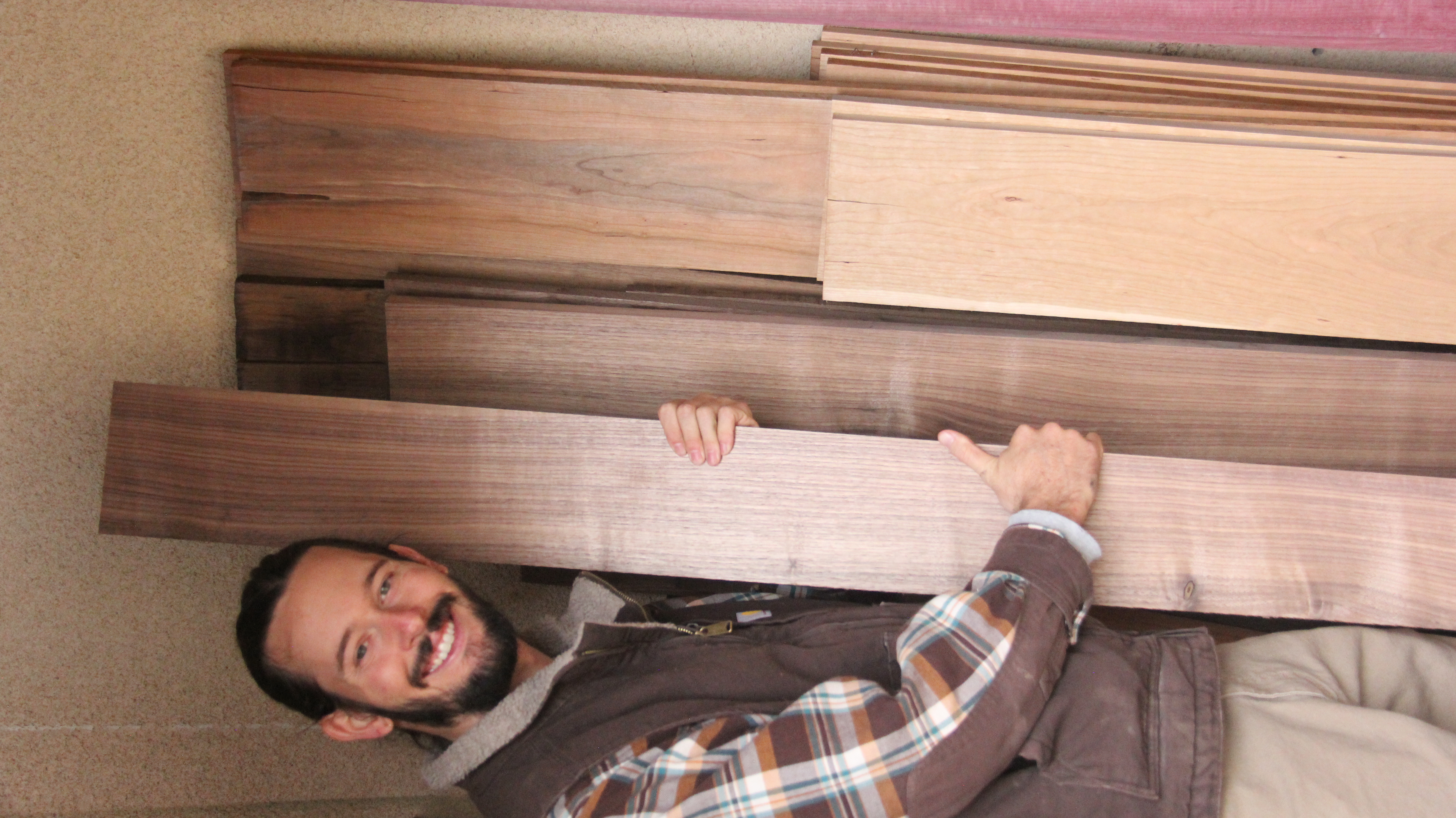 never see again.
Encountering several boards cut from the same tree is common. But, we may only have space for one or two. So, we leave the others behind trusting that equally beautiful wood will come when needed.
The list of wood types we use is not exhaustive. I refrain from ranking species by tonal quality because there is great variation within each tree. Not every board from a given species is ideal for making a quality Native American style flute.
Learn how wood density and species affects tonal quality in our How Wood Density Affects Tonal Quality and Wood Species and The Tonal Quality in The Native American Style Flute articles.
Responsible Wood Sourcing
We use many varieties of domestic and foreign hardwoods to craft Ancient Territories Native American style flutes. It's important for us to research the woods we use to ensure that neither us nor our customers are involved with species that are endangered or heavily exploited.
The only woods that appear threatened are cocobolo, blackwood, and ebony. For this reason we do not purchase these woods directly. Occasionally small pieces come to us from another craftsman that would otherwise be discarded or burned.
Aging and Natural Color Changes
The color of most Love flute wood darkens with age. Light and especially ultraviolet rays trigger slow photochemical reactions in the pigments of the wood. With most species this change happens gradually and may go unnoticed.
You may observe it if you move or remove the leather band that secures the bird to the flute. The wood beneath the band may appear lighter because it was shielded from light exposure.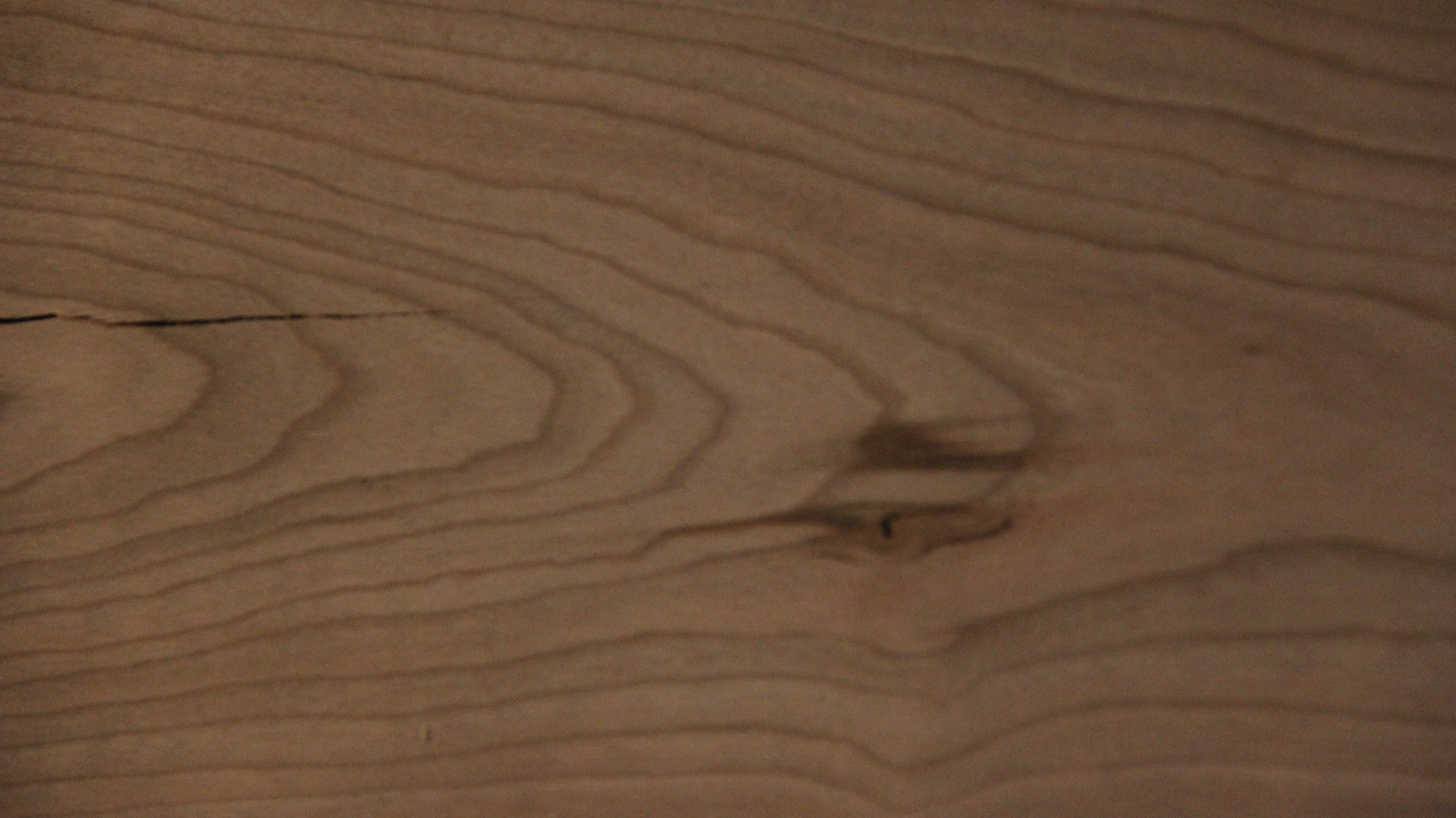
The Character of Each Species
Many people are unfamiliar with the various wood species used in Ancient Territories Love flutes. For this reason I provide images and brief descriptions of the woods we use along with their characteristics.
Each piece of wood carries its own personality expressed through grain, color, density, and structure. It is this individuality that gives every Native American style flute its unique presence.
Each flute is handcrafted with care. You can explore our collection of Native American style flutes in our shop.
Types of Wood
 Ash (Fraxinus)
Ash wood is as American as apple pie. It is a medium dense, hard wood with distinctive open pores and grain patterns similar to oak. Ash is a creamy white light colored wood that is easy to work and makes a pretty Love flute.
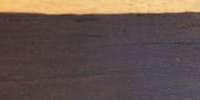 African Blackwood (Dalbergia melanoxylon)
This wood comes from Southern African and Tasmania. It is used extensively in the manufacture of musical instruments such as clarinets. Efforts are made to ensure a continuing supply of this important wood through reforestation and timber plantation management. Blackwood is a dark black color with some dark brown grain. It is relative hard and dense and finishes well. It is very expensive and hard to obtain as almost all the harvest is bought up by the big instrument manufactures.
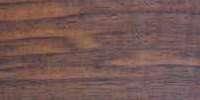 African Walnut (Lovoa trichilioides)
This is a nice, dense, close grained hardwood with muted red/brown colors. Grain pattern is more wavy than straight but subtle. When finished it has a lovely luster. Easy to work with and makes an attractive flute. I seldom use it as I prefer American walnut.
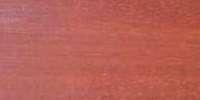 Bloodwood (Brosimum paraense)
Also called Satine, bloodwood, as the name infers has a deep red rose color of outstanding beauty. The color does darken somewhat with age, but not noticeably. Bloodwood is a very dense, heavy wood with a tight and straight grain. It is a wood that polishes out to a fine deep finish. When combined with other woods it makes an outstandingly beautiful Native American style flute.
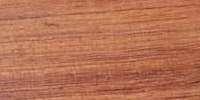
Bubinga (Gubortia demeusii)
Often called African rosewood, Bubinga has deep red/brown colors and a wavy grain pattern sometimes highlighted by dark streaks with purple overtones. This wood darkens somewhat with age. Bubinga is a very hard, dense and heave Love flute wood that takes on a beautiful finish.
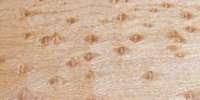
Birdseye Maple (Acer saccharum)
This is not a separate species but an unexplained aberration in the grain pattern of ordinary hard maple (Acer saccharum) that produces small eye like grain structures scattered through out the wood. Its occurrence is quite rare and consequently the wood is expensive. All types of maple are hard, dense, light white to cream colored woods. It makes a very attractive Native American style flute in combination with other woods.
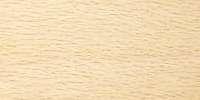
Beech (Fagus)
Beech is a medium dense even grained domestic hardwood. It has a tight grain and its color ranges from tan to medium brown. It is distinguished by tiny, evenly and closely spaced dashes of brown color (called ray flecks) distributed throughout the wood. Beech wood is rather pedestrian in appearance and therefore I seldom use it.
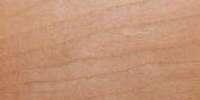
American Cherry (Prunus serotina)
American cherry is a medium density wood with a close tight grain with beautiful pink/brown colors that darken with age to a rich russet brown. It has modulated tones of light reflective grain. Cherry is one of my favorite Love flute woods.
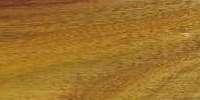
Canarywood (Liriodendron tulipifera)
This tree is in the Magnolia family and is also called the tulip tree. It grows in Eastern North America. It is a medium density distinctively grained wood in mixed muted reds and yellows. It takes a great finish. It does not darken noticeably with age. A very attractive Native American style flute wood.
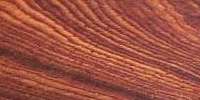
Cocobolo (Dalbergia retusa)
Sometimes called Mexican rosewood, Cocobolo has deep rich orange reds with black and yellow striping in a very distinctive grain pattern. It is considered one of the most beautiful rosewoods in the world. Cocobolo is a very dense, heavy and tight grained wood. The few small pieces that I get I use for the ends of my Collectors Love flutes.
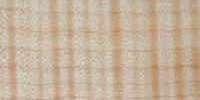
Curly Maple (Acer saccharum)
Maple is a dense, hard, North American wood. Curly maple is an aberration of common maple that has a distinctive light reflecting wavy grain pattern of outstanding beauty. You can gaze at the changing patterns of light reflected through the wood as you turn it in the light for hours. It darkens slowly to a more golden color. Curly maple makes a very beautiful Love flute in combination with other woods.
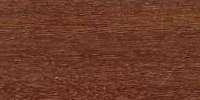
Jarrah (Eucalyptus marginata)
Jarrah is in the eucalyptus family of woods from Australia. It is a dense, close and even grained, slightly coarse wood. The grain patterns are a subtle mixture of dark browns to blacks. Although not a particularly striking grain pattern its an attractive wood that finishes well.
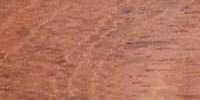
Jatoba (Hymenaea courbaril)
Often referred to as Brazilian cherry because of its color is similar to American cherry (though it is not in the cherry family). The colors of this hard, dense somewhat coarse grained wood range from medium brown to rich orange and reds. I usually choose pieces that have fine black lines running through the wood. A very attractive wood that makes good flutes.
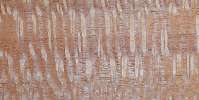
Lacewood (Roopola brasillensis)
A soft to medium dense wood of light to medium brown color from Africa. It is also called leopard wood. lacewood is known for its fascinating lace like grain pattern that is distributed evenly throughout the wood. It makes a beautiful Love flute in combination with other woods.
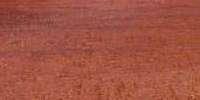
Padauk (Pterocarpus soyauxii)
This is a bright orange wood from South Africa. The orange color darkens with age to an attractive burnt umber. It is a dense but not heavy wood with wavy grain. Padauk is not an easy wood to work with but it's worth the effort. Native American flutes - especially in the key of C and D have a wondeful tonal quality
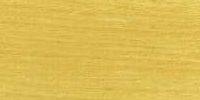
Yellowheart (Pau Amarello)
This is another of the many woods that come from South America. Yellowheart is a medium dense wood with an even, barely distinguishable grain pattern. It is a pale yellow to mustard color that does not change with time. Looks good when used sparingly for its distinctive color.
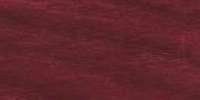
Purpleheart (Peltogyne paniculata)
This is a very common hardwood from Central and South America known for its amazingly purple color. It has a hard coarse grain with little grain pattern. The color darkens with age. Purpleheart takes a wonderful, smooth finish.
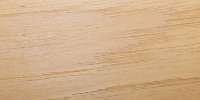
Pecan (Carya illmoensis)
These trees grow in the lower Mississippi valley. Pecan is in the hickory family. It is a hard, dense, somewhat coarse grained wood with champagne and beige coloring. It's a little difficult to work with because the grain tends to splinter and tear. It makes a very nice Native American style flute.
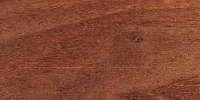
Santos Mahogany (Myroxylon balsamum)
Santos mahogany is one of my favorite woods. More expensive than many the others but worth it. It grows from Central America to Argentina. This is a beautiful, medium density mahogany with reddish brown colors that darken to a beautiful deep red. The figured grain can be straight or wavy with medium to high luster. A very beautiful wood. Love flutes made of Santos mahogany have beautiful, clear, rich tonal qualities.
Walnut (juglandaceae)
The most sought after of North American hardwoods. Black walnut is a medium dense wood with close pores and tight grain. It is dark brown with blackish/ purple overtones. Not a flashy wood but good looking when contrasted with other woods. I try and obtain boards with distinctive grain patterns. Makes a great Native American style flute - especially in the higher keys like A, G and F#.
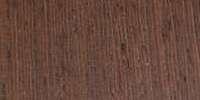
Wenge (Millettia laurentii)
Wenge is an exotic hardwood from Africa. It is a very striking, mostly black wood with fine grey/brown streaks. Its coarse texture and open grain makes it difficult to achieve a good flat finish. I use wenge more as an accent wood rather than in a whole flute.
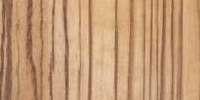
Zebrawood (Microberlina brazzavillensis)
Zebrawood is a coarse textured African wood known for its distinct zebra like stripes of alternating black/brown and cream/tan colors. It makes a wonderfully showy flute. Because of this prized woods rather high price I have to charge alittle extra for Love flutes made from it.
Frequently Asked Questions About Wood for Native American Style Flutes
What type of wood is used to make Native American style flutes
Native American style flutes are typically made from domestic and exotic hardwoods chosen for stability, grain character, and tonal qualities. Each piece of wood is selected individually based on its strength, beauty, and suitability for crafting a lasting instrument.
Does the type of wood affect the sound of the flute
Yes. The density, grain structure, and moisture content of the wood can influence tone, resonance, and response. However, there is significant variation within each species, so the individual board matters as much as the species itself.
Are endangered woods used to make Native American style flutes
Responsible makers avoid purchasing threatened species. Woods such as cocobolo, blackwood, and ebony are considered vulnerable, and many craftsmen choose not to source them directly.
Does wood color change over time
Yes. Most hardwoods darken gradually as they are exposed to light. Ultraviolet rays stimulate natural photochemical reactions that slowly deepen the color of the wood.
How long can a wooden Native American style flute last
When crafted from properly seasoned hardwood and cared for appropriately, a Native American style flute can last for many generations.