
Wood Species and Tonal Quality in the Native American Style Flute
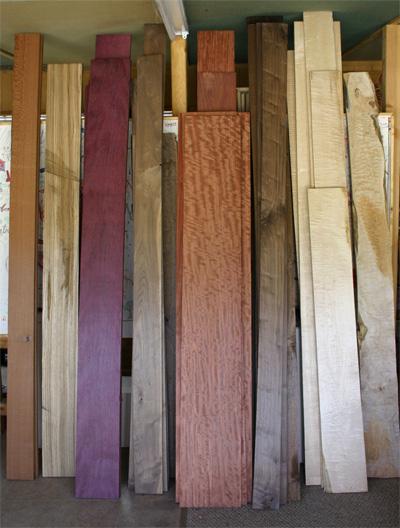
Wood species and tonal quality are often spoken of as though they are inseparable. In practice, the relationship is more subtle.
I do not put wood species near the top of my list of things that affect tonal quality in a Native American style flute. That does not mean I am unaware that different types of wood produce different tonal characteristics. It simply means that there are other factors that often have a stronger influence.
Design, bore diameter, true sound hole configuration, tone hole placement, and wall thickness all work together to shape the final voice of the instrument. Wood species is one part of that larger whole.
How Wood Species Influences Tone
Different wood species possess different structural characteristics. These characteristics influence how the flute body responds to vibration and how it interacts with the vibrating air column inside the instrument.
A flute does not produce sound from vibrating wood in the same way a guitar or violin does. The sound of a Native American style flute comes primarily from the vibrating air column inside the bore. The body of the flute acts as a resonance chamber.
Because the body functions as a resonance chamber, the nature of the wood influences how overtones are absorbed or reflected.
Some woods tend to absorb certain frequencies more readily. Others tend to reflect them. The result is a subtle shaping of tonal color.
Overtones and Tonal Color
There is no such thing as a pure tone in nature.
When you play a note, such as A at 440 Hz, that note is accompanied by additional tones above and below it. These are called overtones. They add richness, depth, and color.
Wood species influences how these overtones are preserved or softened.
If a wood absorbs certain higher overtones, the tone may be perceived as mellow or warm. If a wood reflects and preserves higher overtones, the tone may be perceived as bright or clear.
Neither quality is inherently better. It depends on balance.
 Personal Preferences in Wood Species
I do not personally use softwoods such as cedar or redwood. There are several reasons for this decision, though I will not go into all of them here.
I prefer medium density hardwoods such as:
-
African mahogany
-
Cherry
-
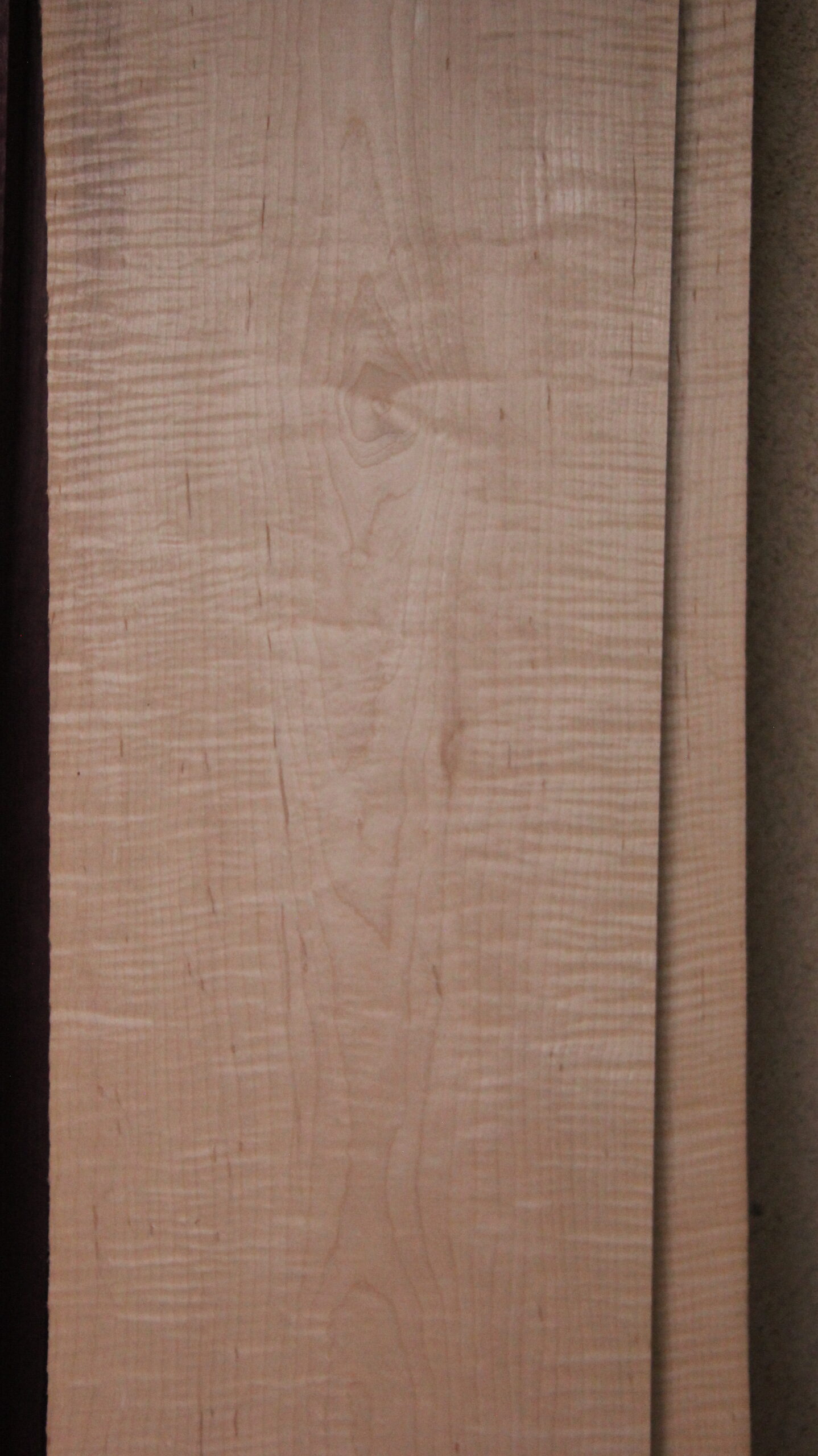
Soft maple
Black walnut, while beautiful and resonant, is somewhat softer than my preference for certain tonal applications.
I tend to avoid very dense exotic hardwoods such as purpleheart, bubinga, bloodwood, African blackwood, and santos mahogany when I am seeking a particular tonal balance.
These preferences are personal. Every handmade flute is unique. Two flutes made from the same species can sound noticeably different.
Wood species influences tone, but it does not determine it entirely.
Key of the Flute and Wood Species
The key of the flute also plays a role in how wood species is perceived.
Higher keyed flutes naturally lean toward brightness. Lower keyed flutes naturally lean toward warmth and depth.
When selecting wood species, I consider how the natural voice of the key interacts with the tonal tendencies of the wood. The goal is balance.
A good flute should have a proper mixture of higher and lower tones so that the sound remains pleasing and comfortable to the ear.
Craftsmanship Remains Primary
As I have explained in other articles, there are many factors simultaneously shaping the tonal character of a flute.
Wood species matters. But craftsmanship, design precision, and careful voicing matter more.
The art of flute making lies in bringing all these variables into harmony.
If you are exploring different flute articles, you may also want to read:
Frequently Asked Questions About Wood Species
Does wood species really change the sound of a Native American style flute
Yes, wood species influences how overtones are absorbed or reflected. However, design and craftsmanship often have a greater impact on the final tone.
Are softwoods warmer than hardwoods
Softwoods are often described as warmer because they tend to soften higher overtones. This is a general tendency rather than a fixed rule.
Why do you prefer certain hardwood species
I prefer medium density hardwoods because they provide balance between brightness and warmth while offering durability and artistic expression.
Can two flutes made from the same wood sound different
Yes. Every handmade flute is unique. Even flutes made from the same species and to the same specifications can vary in tonal character.