
Your shopping cart is empty!
Hardwood versus Softwood for Native American Style Flutes
Hardwood Versus Softwood for Native American Style Flutes
You may have heard some talk about flutes made of softwood having a different sound than those made of hardwood.
First, we must clarify our definitions.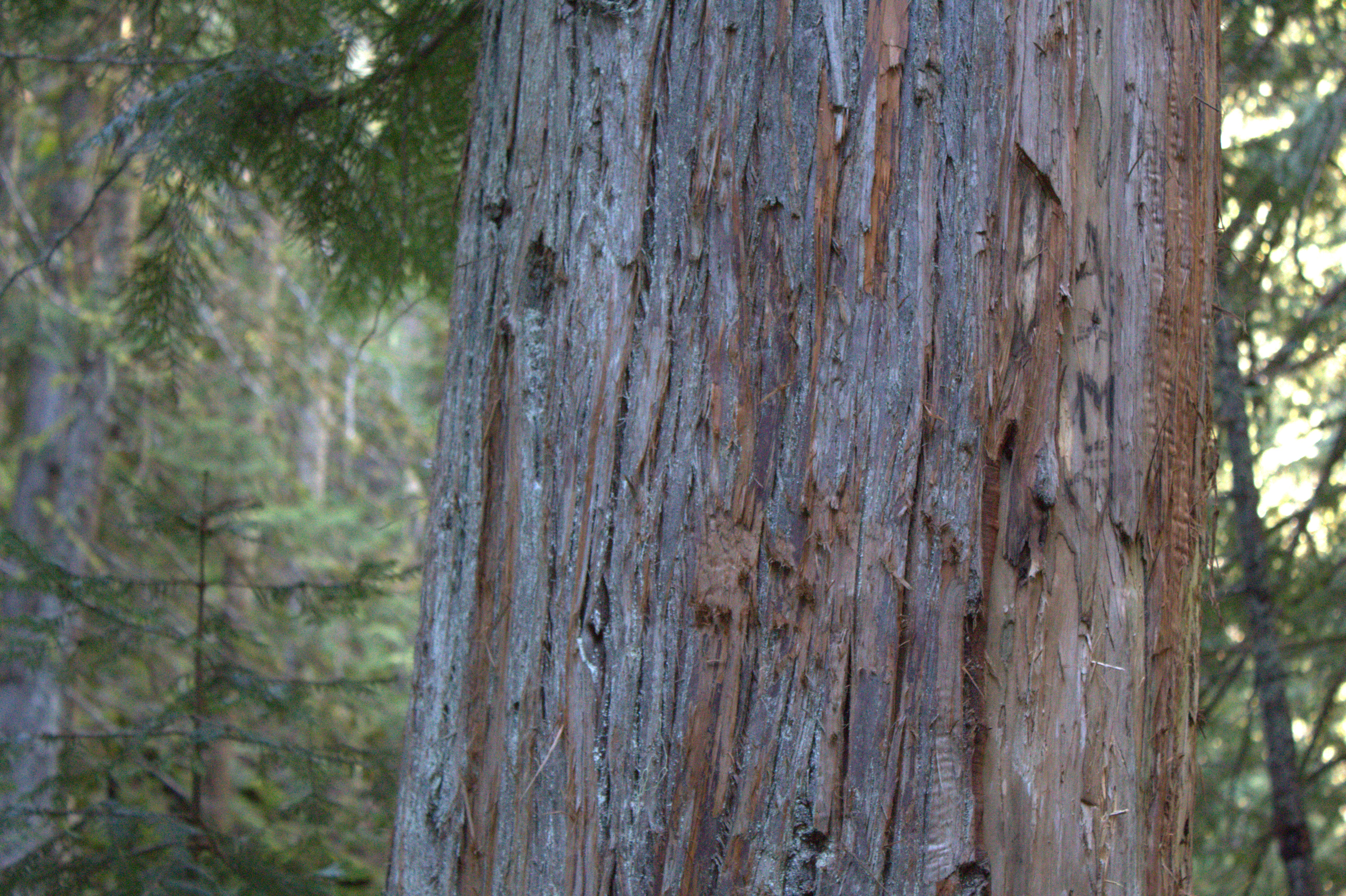
Softwood, by definition, is a type of wood that comes from a coniferous tree such as pine or cedar.
Hardwood, by definition, comes from a deciduous tree such as maple or oak.
Some hardwoods are actually less dense than some softwoods and vice versa.
You may have heard that a Love flute made of softwood such as cedar or redwood has a softer, sweeter, or mellower tone than a hardwood flute. Personally, I have played on and listened to a good number of Native American style flutes made of all types of wood.
Based on careful observation it seems to me that the quality of tone depends more on the design parameters of the Love flute itself than on the type of wood from which the flute is made.
By design parameters I mean:
-
True sound hole configuration
-
Bore diameter
-
Tone hole placement
-
Wall thickness
Even flutes made of the same wood to the same specifications can have significant variation in tonal quality.
There may be subtle differences between different woods in respect to their resonant qualities. But I do not feel that the type of wood is the most critical factor in the tonal quality of a Native American style flute.
This does not mean that the wood is not one of the variables affecting the final tone. It is my opinion that all factors being considered the tonal quality lies more in how the flute is made rather than the wood the flute is made from.
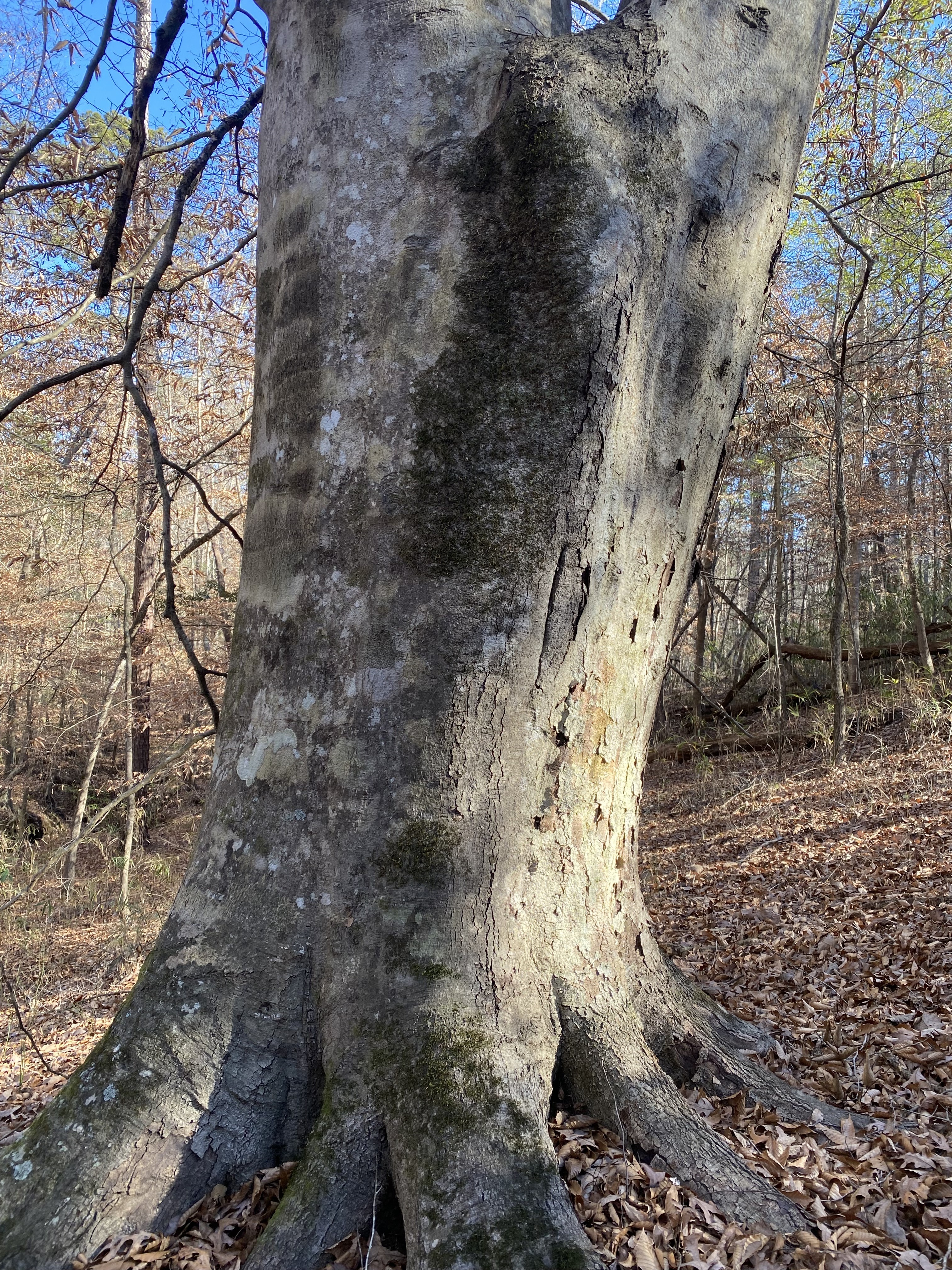 Why I Choose Hardwood
The primary reason that I have chosen to make my Love flutes from hardwood is because it allows me a greater range of artistic expression and because the harder wood is more resistant to damage.
It is also the case that I prefer the clearer, brighter sound of a hardwood Native American style flute.
If you wish to learn more about the woods I use to make Love flutes, visit the wood selection section of this website.
I have genuine respect for every piece of wood that I use. Almost nothing is wasted. Anything leftover is used to heat my shop in the winter.
Design Matters More Than Wood Type
When players compare hardwood and softwood flutes, they often focus only on tone. In reality, tone is shaped by the entire instrument.
True sound hole design, bore dimensions, and wall thickness influence:
-
Breath response
-
Clarity of upper notes
-
Stability across octaves
-
Overall projection
Wood contributes to the character of the instrument, but craftsmanship determines how fully that wood can speak.
If you are new to the instrument, you may also want to read:
Frequently Asked Questions About Hardwood and Softwood Flutes
Is a softwood Native American style flute warmer in tone
Softwoods such as cedar are often described as warmer or mellower. In practice, tone depends more on flute design and construction than wood type alone.
Are hardwood flutes louder than softwood flutes
Not necessarily. Volume is influenced by bore size, sound hole configuration, and breath pressure more than by wood classification.
Is hardwood more durable than softwood
In general, hardwoods are more resistant to dents and wear. This is one reason many makers choose hardwood for long term durability.
Does wood density affect flute tuning
Wood density can influence resonance and response, but tuning stability is more directly affected by design precision, temperature, and breath control.